
The technology is there, we just have to use it properly.
Several dark doldrums occur in Germany every winter. We overcame them yesterday, today and will continue to do so tomorrow. How do we get through the dark doldrums safely? With technology that we already have.
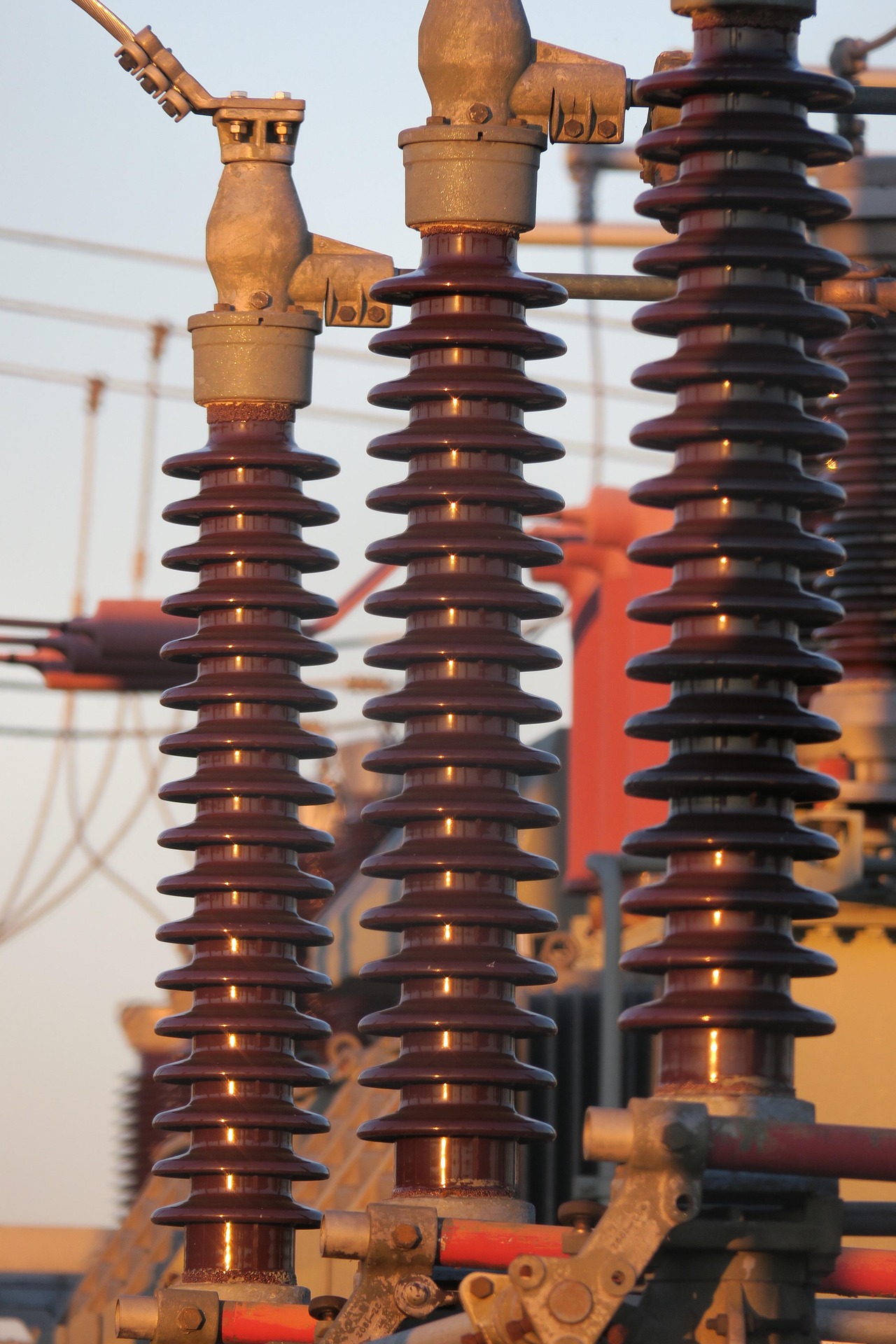
The dark doldrums
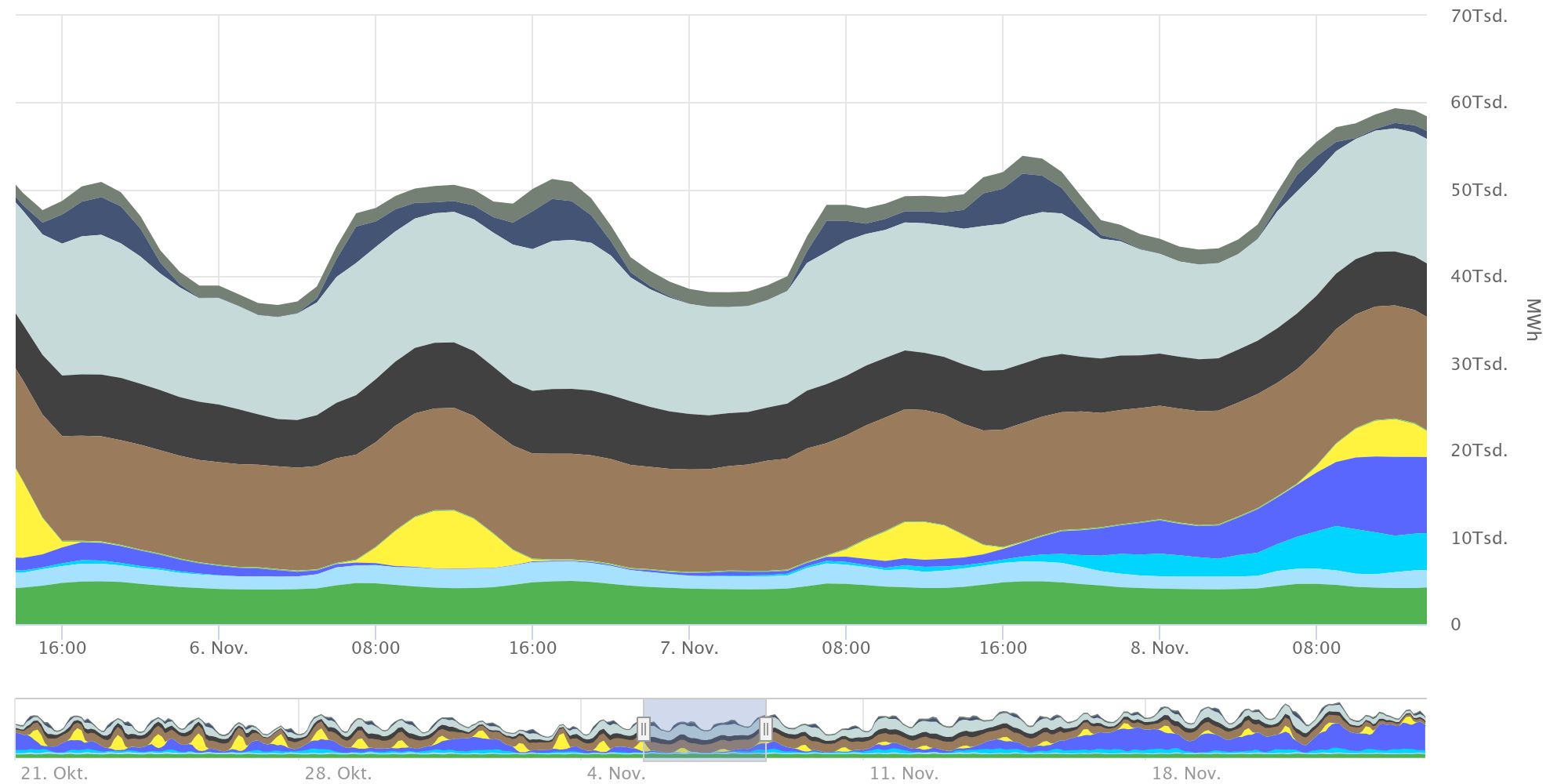
Solar and wind power normally complement each other well, so that we are constantly cheap electricity from renewable sources are supplied. With Batteries the supply from solar and wind power will be even more demand-orientated. The situation can be different during a prolonged dark doldrums. With a dark doldrums meteorological weather conditions, This refers to periods in which solar systems and wind turbines only generate a small amount of electricity.
The remaining difference between consumption and wind and solar power generation, which Residual load, must be covered with additional technologies in this case.
When switching to a 100 per cent renewable electricity system it is therefore imperative to address the issue of dark doldrums. The technologies to make it manageable without fossil fuels already exist. We want to show here how the Path away from coal and natural gas towards storage and climate-neutral gases.
bne webinar „Safely through the dark doldrums - here's how!“
How do we secure the Security of supply in dark doldrums? In our webinar „Safely through the dark doldrums - this is how it works!“ on 29 January, we look at Our concept and on Technologies which will become increasingly important in times of high residual loads. Specifically, this involved the Use of Short-term storage in the dark doldrums (Amadeus Teuffel, ECO STOR GmbH), the potential and the technical possibilities of Demand flexibility through digital solutions (Sebastian Schaule, Octopus Energy), which Flexibilisation of biogas (Sandra Rostek, Capital City Bioenergy Office) and Motorised power plants as flexible and fast generation capacities (Stefan Liesner, 2G Energy).
The technology is there, we just have to use it properly
Dark doldrums, so what? We have got through the dark doldrums safely in the past, are managing to do so in the present and will also master the challenge in the future. Today we cover about 60 per cent of our electricity needs with renewables and at the same time have one of the most secure power supplies in the world - and the expansion of storage is booming.
The The necessary technologies are already available todayTechnical progress, mass availability and increasingly favourable prices will simplify the solution to the problem. Just as an example: the price of electricity storage fell by over 93 per cent between 2010 and 2024 (IRENA, July 2025).
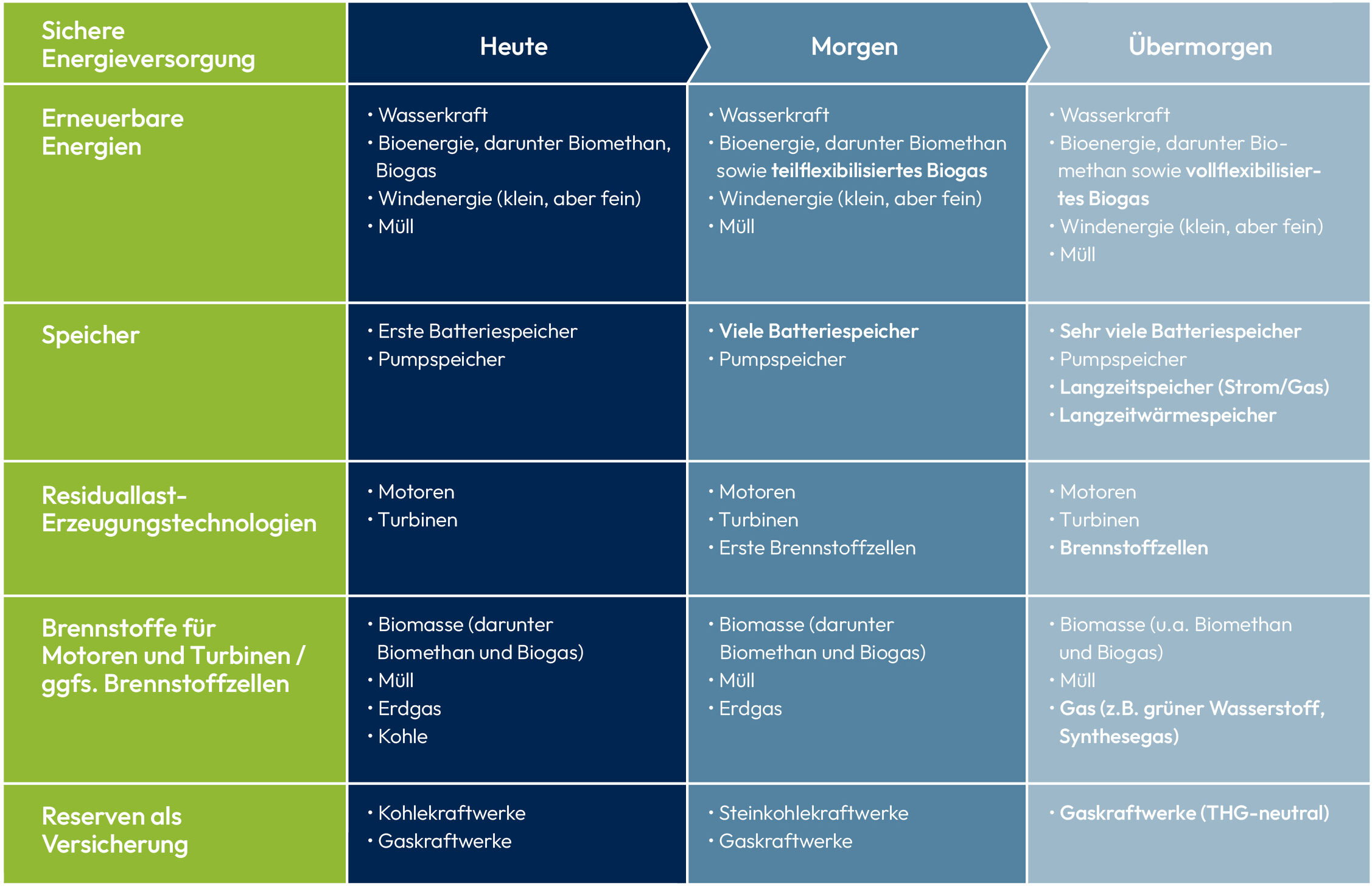
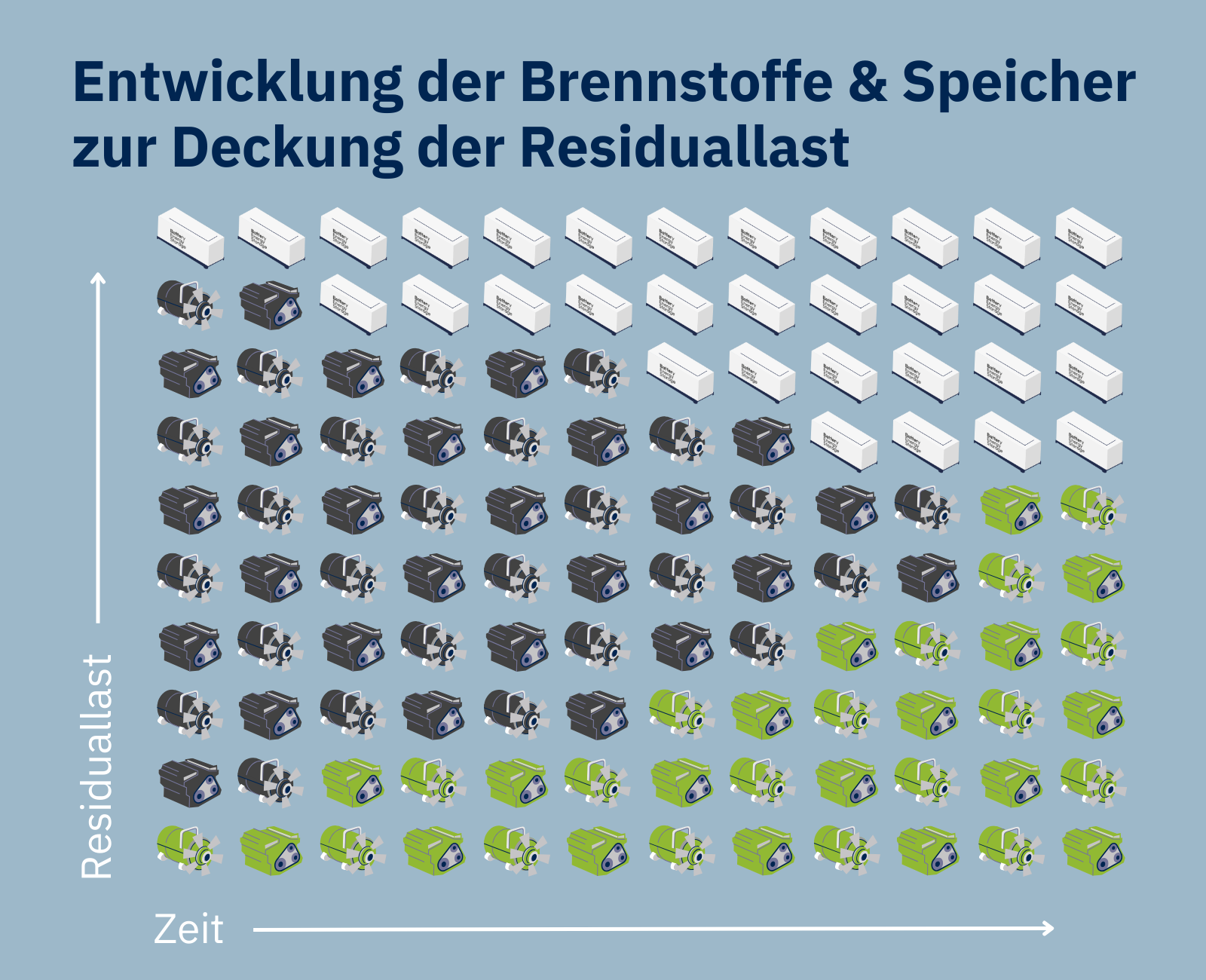
Today, we have an energy mix in Germany consisting of renewable energies and (still) coal and natural gas-fired power plants. In the medium and long term, it makes sense to distinguish between Technologies on the one hand and energy sources on the other hand. Just as turbines and motors are available as back-up today, storage systems will increasingly fulfil this role in the future. What will change is the amount of energy stored and the fuel.
Storage as a key technology for security of supply
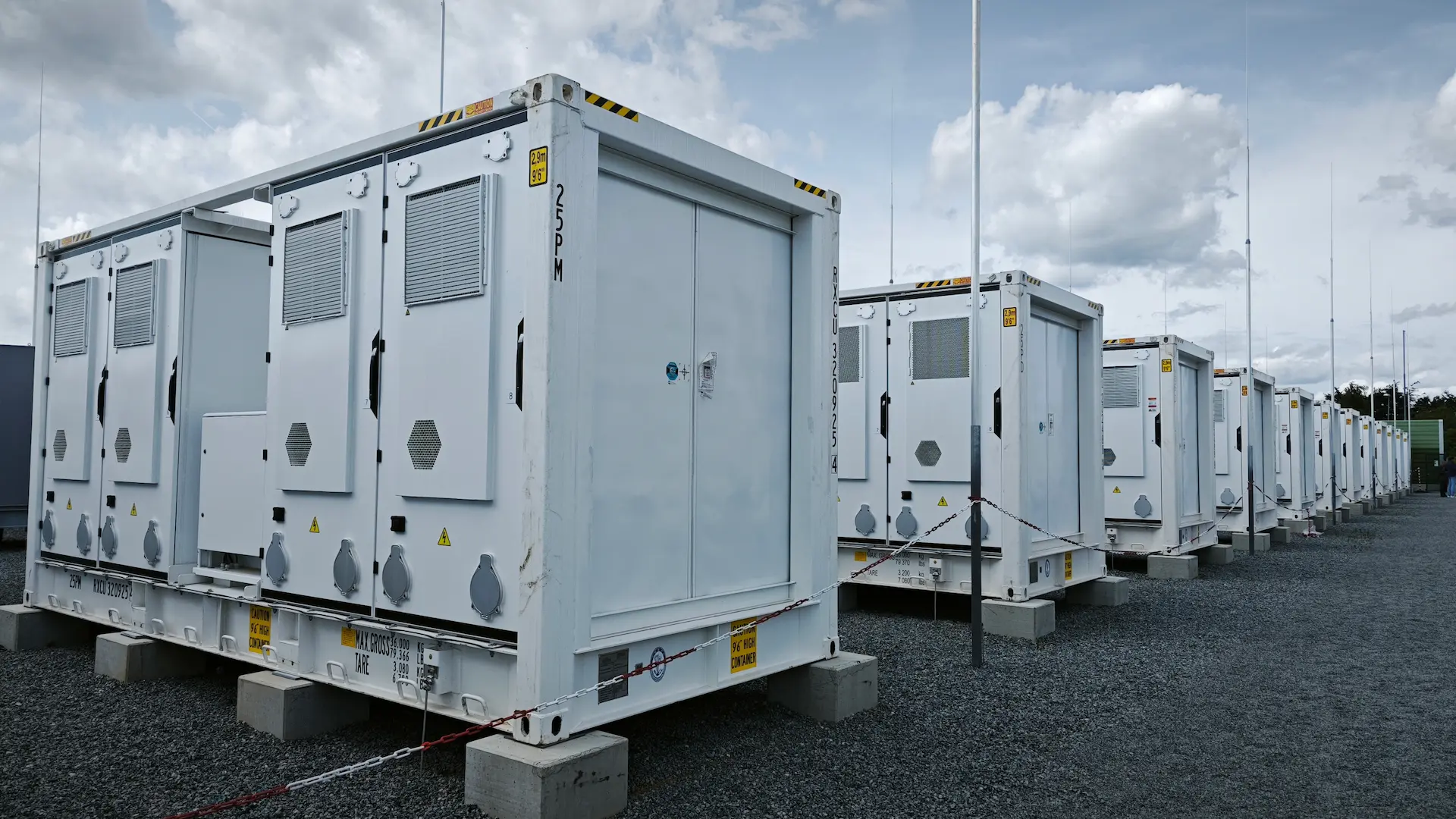
Pumped storage power plants can already temporarily store 40 gigawatt hours of electricity. Storage for Gas are available and their capacity is significantly higher than the pumped storage capacity. In the case of storage facilities, a distinction must be made between short-term storage and Long-term storage to distinguish.
The „Storage wave“ for short-term storage facilities is only just beginning to develop. There are currently still less than three gigawatt hours of large-scale battery storage installed. Hundreds more gigawatt hours will follow in the next 10 years. By 2030, large-scale battery storage systems will have overtaken pumped storage systems in terms of performance and, in the foreseeable future, capacity.
In addition, more and more Home storage and electric cars We can now provide flexibility services for our grid, as the framework conditions for direct marketing to prosumers have been significantly improved. Short-term memory These systems are already stabilising the grid today, indirectly adapting electricity generation to consumption as required. The battery storage systems of the solar parks and wind turbines are also available during the dark doldrums as a buffer available. The fact that they are allowed to buffer grid power is now regulated by law. They can be used today and tomorrow to bridge short blackouts.
Short-term memory are already helping to reduce gas consumption for electricity production (and therefore electricity costs) during longer periods of darkness. The buffer effect of storage decouples the electricity price from price fluctuations on the gas market and thus increasingly helps to reduce electricity costs. The capacity of the battery storage system increases to several hours, which further increases the effect of reducing electricity costs. However, a real game changer could be the Long-term memory become. They have the potential to end the use of fossil fuels once and for all.
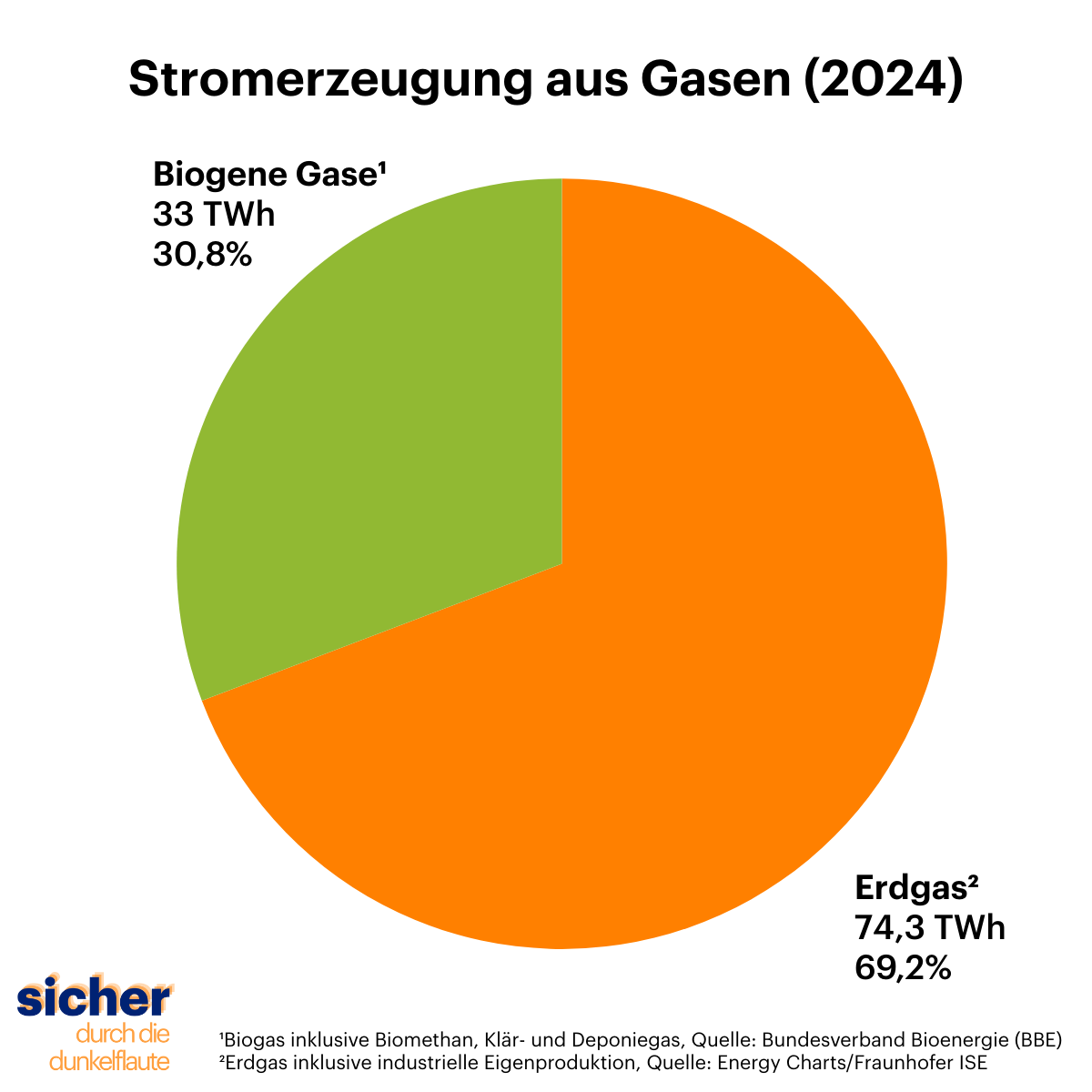
Turbines and motors are still a central component in energy generation today and will continue to be tomorrow and the day after tomorrow, albeit to a decreasing extent. Today we use fossil fuels Fuels in the form of coal and Natural gas. Bioenergy is already being utilised in gas engines, but is still too inflexible in that it often does not react precisely to the supply of wind and solar power. Electricity from bioenergy should be generated precisely when we cannot generate enough electricity from wind and sun. It must therefore become increasingly flexible over the next few years. After all, green gases generated in 2024 almost half as much electricity as natural gas power plants - only without the CO2 rucksack, risky supply chains and gas price spikes.
Hydrogen will be added step by step - ideally from renewable energy sources. The Hydrogen is primarily generated and stored during the hours of sunshine in the summer months, helping to bridge long-term periods of darkness.
We'll get through the dark doldrums safely
With their storage facilities, renewable energies are the cornerstone of affordable electricity prices, energy independence, resilience and achieving our climate targets. We already have the necessary technological solutions for the times when neither the sun is shining nor the wind is blowing. In 2025, we will produce electricity mainly from renewable energy sources and have an extremely secure power supply. In 2030, with 80 per cent renewables and a great deal of storage, we will therefore be even more secure. System stability and security of supply have.
An overview of the various technologies and when and how they should be used to get through the dark doldrums safely can be found at here.
Safely through the dark doldrums: the two-page guide
The fact paper "Dark doldrums" shows on two pages how dark doldrums can be overcome today, tomorrow and the day after tomorrow. Which fuels will we use? Which technologies will be used? How will battery storage help? How will biogas develop over the next few years? We have summarised the most important points on this website for you.