
Fuels as dark doldrums reserves
Fuels store energy that can be released quickly in power plants. They therefore form the cornerstone of our electricity supply during a dark doldrums.
How fuels help in the dark doldrums
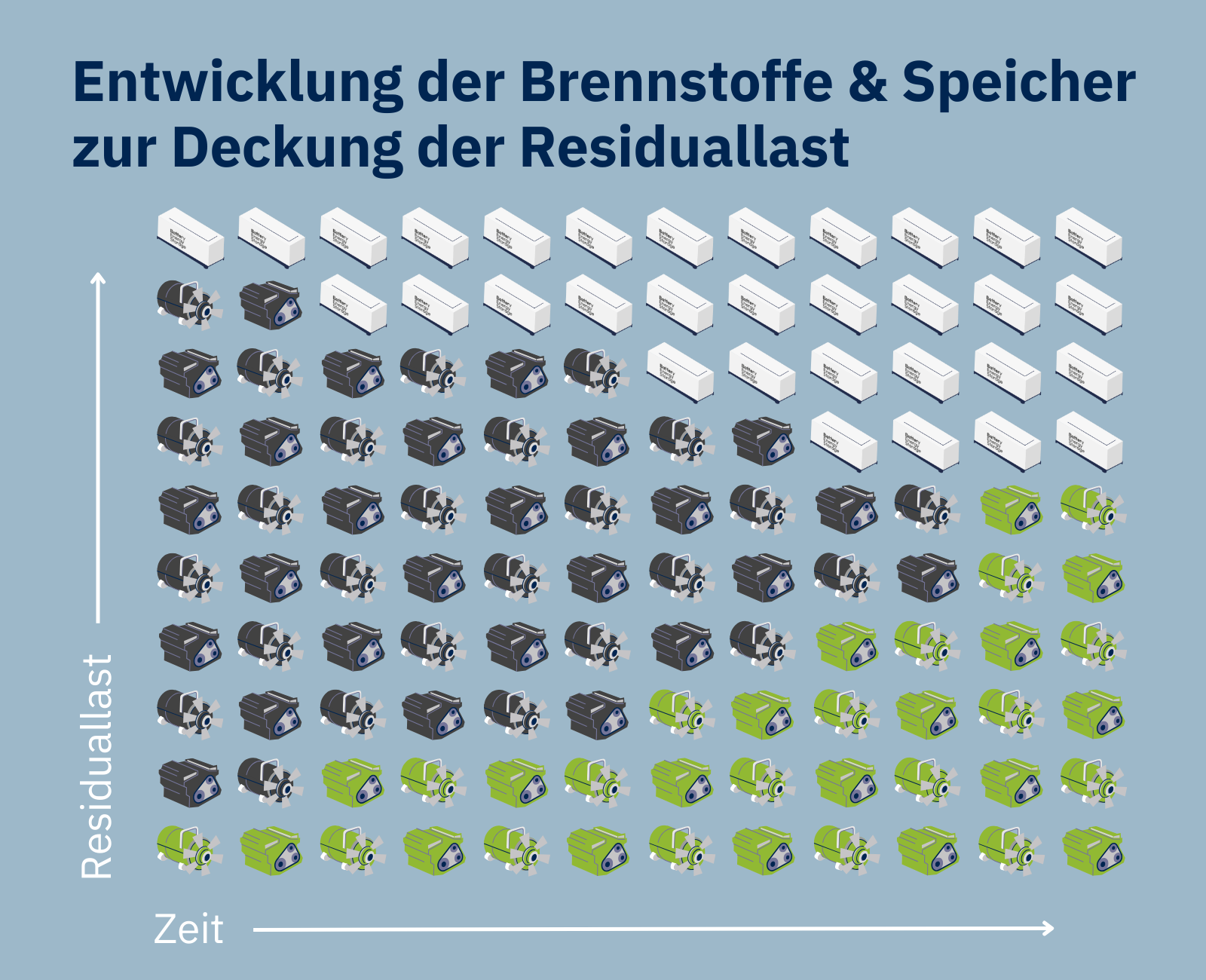
By definition, the proportion of wind and solar energy is very low during a dark doldrums. The previous Workhorses in dark doldrums are classic (thermal) power plants, turbines and motors. They generate electricity from heat. The heat, in turn, is generated with fuels.
The Types of fuels have changed repeatedly in the past and will continue to do so in the future. The decisive factor for the dark doldrums is that both currently and in the medium and long term Sufficient fuel available so that the residual power plant capacities can provide the required electricity at all times. Ideally, the combustion of fuels will only be necessary over time in scarcity situations such as the dark doldrums. With less use and modern fuels, fewer and fewer Greenhouse gases pollute the atmosphere.
Fuels as energy storage
Fuels can also be viewed as Stored energy fossil fuels, which are stored for different lengths of time in order to be utilised when they are needed. Fossil fuels were stored in the ground for millions of years until they were extracted to be used for electricity generation, among other things, releasing greenhouse gases in the process. Gas as a fuel can be used via Months and years stored in underground storage facilities. Previously stored wood is burnt in wood-fired power plants.
At the Biogas there are even several forms of storage. Firstly, the biomass is stored in silos until it is converted into biogas in a biogas plant. The biogas is stored in gas storage tanks on site for one to several days. It is then utilised in an engine. Alternatively, it can be stored in Biomethane be converted. In this case, it can be stored as long-term storage in gas storage facilities mixed with or instead of natural gas, e.g. until the next winter. It can then be used to generate electricity, for example.
We already have the technology for tomorrow
The question is not whether we have enough gases and sustainable fuels to generate electricity in the relatively few days and possibly weeks of dark doldrums. The real question that arises is wHow quickly we decarbonise and want to reduce dependence on natural gas. The last point therefore also helps blue hydrogen as this is obtained from natural gas. This and the additional high losses in this process would actually increase natural gas consumption and create a CO2 disposal problem that we do not have today.
Today, we have all the technologies we need to produce alternative gases and convert them into electricity. These include Biogas fermenter, biomethanisation technologies, H2 electrolysers, H2 storage, green ammonia and green methanol plants, etc. There are also further innovations, be it in the Electrolysers, for the Fuel cells and even for subsequent utilisation in turbines and engines. The options are therefore not only already available, they will also continue to increase in quantity and quality over the next few years.
Coal & natural gas
The Coal phase-out has been politically decided. Coal-fired power plants are also being shut down for economic reasons because they are no longer profitable. In some cases, coal-fired power plants are then decommissioned in a Reserve in reserve to be able to step in in rare cases, such as a dark doldrums. In the reserve, they will no longer consume a relevant amount of fuel.
In most countries, coal and/or natural gas is used in thermal power stations. Natural gas power plants in the form of turbines and motors can utilise many gases. Today, gas is dominated by fossil natural gas, i.e. methane. According to Statista, the proportion of natural gas consumed for electricity generation in Germany in 2024 was 13 per cent and thus significantly below the share of natural gas in heat generation and energy consumption in industry. The higher the share of renewable energies in electricity generation over the next few years and the more battery storage replaces power plant generation, the less gas will be needed to generate electricity. (Natural) gas consumption in the electricity system will therefore increasingly shift to the few weeks of the year. with high residual load shift. Gas-fired power plants will only run then. Overall, gas consumption will also decrease as heating systems and industrial applications using gas are electrified due to efficiency and cost advantages. There is therefore No shortage of fuels and fuel stores.
Biogas & hydrogen
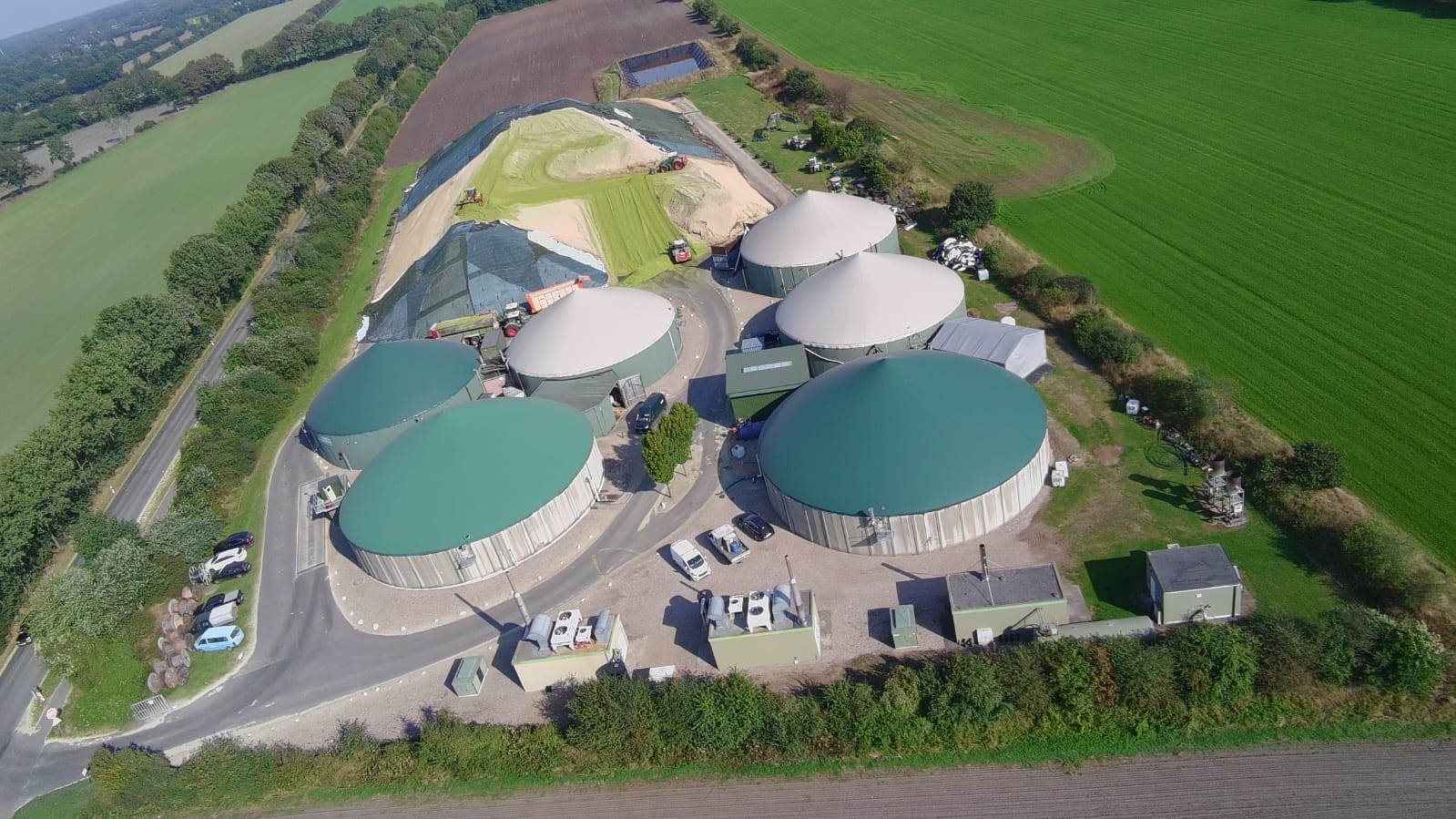
In Germany, the Biogas relevant to electricity generation. In 2024, according to the Federal Statistical Office for 6.5 per cent of electricity generation responsible. The relevance of biogas can be analysed in several ways, primarily through a Flexibilisation, increase. This means that biogas can be generated outside of off-peak periods and stored on site. Biomethane plants In turn, the fuel can be fed into the general gas grid in „natural gas quality“. In the dark doldrums, the stored biogas can then be utilised in larger engines and biomethane can be converted into electricity. The amount of biogas fuel can also be increased within days during the dark doldrums by changing the feed in biogas plants to increase gas production. The role of biomethane in dark doldrums can be further increased by innovations such as lorry transport of biogas to methanation plants.
Gas engines and smaller turbines can already Hydrogen utilise hydrogen. Large power plant turbines are currently being developed that will be able to use hydrogen in a few years' time. The green hydrogen comes from renewable energies. After production, this hydrogen can be save and then above all Use in dark doldrums. Green hydrogen can be produced in Germany/Europe as well as imported, either through pipelines or by ship. In the latter case, hydrogen can be produced directly or as hydrogen derivatives such as Methanol or ammonia be imported. These imports can in turn be stored temporarily and generate electricity after reconversion in thermal power plants.
The more thermal power generation in gas-fired power plants is converted to balance sheet CO2-free gases such as biogas or biomethane or even to green hydrogen, the lower the carbon footprint will be. CO2 emissions from power generation. At the same time, these alternative gases also reduce our dependence on natural gas imports. The great dependence on Russian natural gas led to an energy crisis in Germany and Europe following Russia's major invasion of Ukraine. This had nothing to do with insufficient power plant capacities, but with the loss of Russian natural gas supplies. The resulting electricity price crisis was also solely a consequence of this gas shortage.
Biogas functions as a storage facility in several ways.
Turbines and engines can already utilise biogas today without any problems, and in the case of biomethane even without technical adjustments, as it is processed to natural gas quality. There are already thousands of biogas plants in Germany that store energy in two ways: first in the substrate storage tank (silo) before fermentation and then in the storage tank connected to the Fermenter connected biogas storage tank.
Biomethane as long-term storage for greater security of supply
In the case of biomethane, biogas is upgraded to „natural gas quality“ in biomethanisation plants and then fed into the gas grid. It can then be stored in the large gas storage facility. The role of biomethane in dark doldrums can be further enhanced by innovations such as lorry transport from biogas plants to methanation plants. This means that biogas from biogas plants that are not connected to the gas grid can also be stored as biomethane in the long term. Biomethane can therefore be stored during the summer months and then converted back into electricity during a dark doldrums.
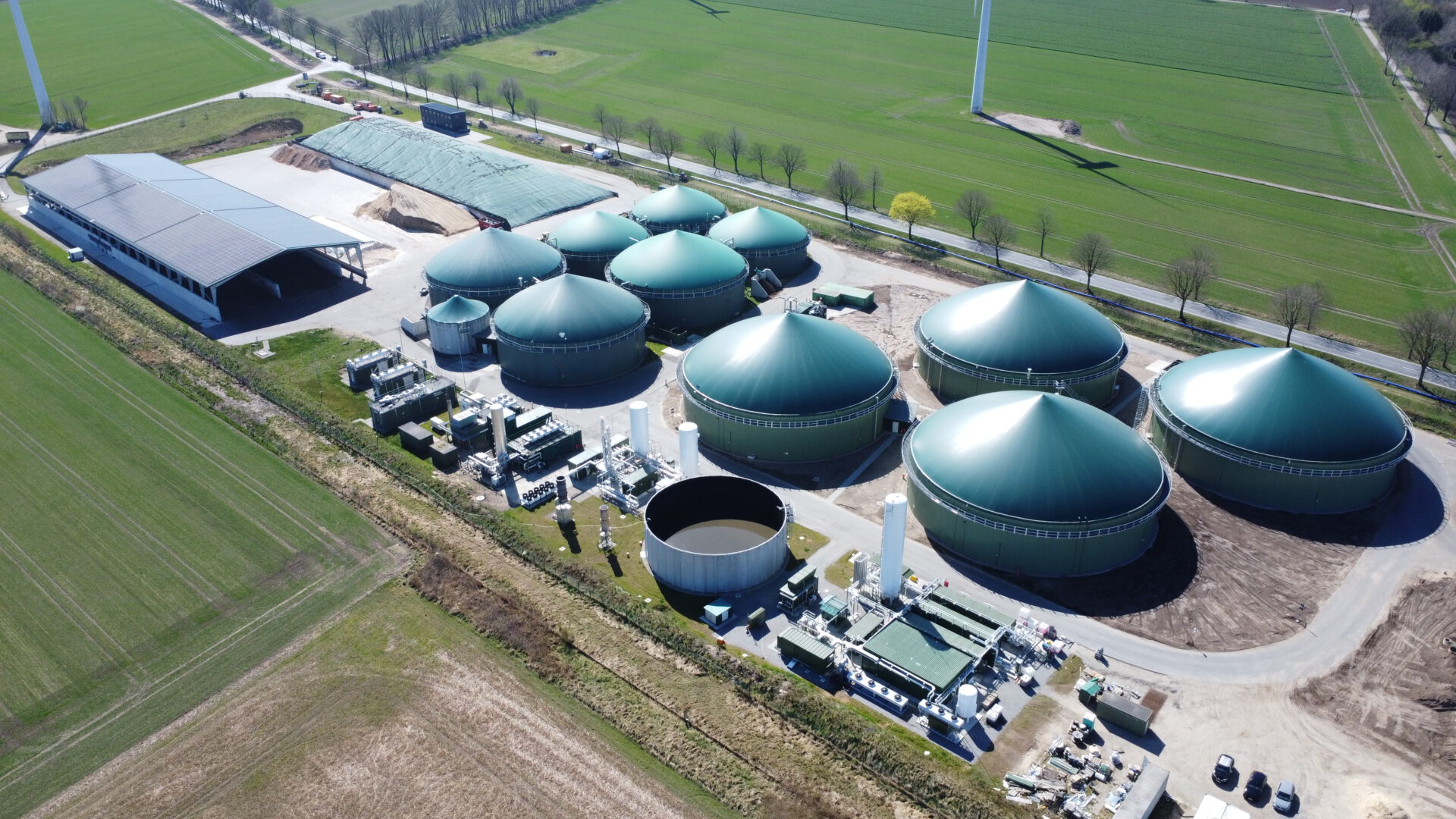
Overview: We already have all the fuel types we need.
All relevant fuels for flexible power plants are already available to us today to reliably bridge dark doldrums: Hydrogen, Hydrogen derivatives, Biogas or biomethane and - for the transition - Natural gas.
In the following, we present these gaseous energy sources in more detail. We will show their role today and explain how their Use and their availability will develop in the coming years. These fuels form the basis for Flexible turbine and motorised power plants will also be able to reliably step in in the future if wind and sun are not sufficient. In the foreseeable future, there will also be Coal-fired power plants in reserve coal consumption will naturally be insignificant.
Natural gas
Today, natural gas still plays an important role in reliably covering dark doldrums. Germany has large natural gas storage facilities that can currently cover around three months of demand. The ongoing electrification of heating, transport and industry will significantly reduce the demand for gas in the future, meaning that the existing storage facilities will last even longer. Gas storage facilities need a “charger”: today we fill them with fossil gas via pipelines and sometimes via „dirty tankers“. In the future, the same storage facilities can be charged with biomethane or synthetic gases. Some of these storage facilities are being converted to green hydrogen, see below. In this way, the infrastructure is maintained - only the energy source becomes cleaner.
Biogas
Biogas is the most important renewable long-term storage medium today, alongside wood. Turbines and engines can already utilise it today without any problems, and in the case of biomethane even without technical adjustments, as it is processed to natural gas quality. There are already thousands of biogas plants in Germany that store energy in two ways: first in the substrate store (silo) before fermentation and then in the biogas store connected to the fermenter or, in the case of biomethane, in the public grid and in large natural gas storage facilities. This means that renewable gas can be stored during the summer months and converted back into electricity during a dark doldrums. For comparison: Natural gas power plants generated 72.2 TWh in 2024 electricity. In the future, such capacities can increasingly be covered by biomethane.
Hydrogen
In the future, hydrogen will play an important role in reliably bridging dark doldrums. Modern gas engines can already burn hydrogen today. Small gas turbines, for example models up to 34 MW such as those from Kawasaki, already run entirely on hydrogen or are prepared for this. In some gas turbines, it is sufficient to replace the natural gas combustion chambers with hydrogen combustion chambers in order to convert them to hydrogen. Germany offers ideal conditions for long-term storage: In northern Germany, there are large underground caverns that can store enormous quantities of hydrogen on a seasonal basis, similar to natural gas. Most of this infrastructure is already in place and can be gradually converted. In future, hydrogen will also be transported via pipelines.
Wood and waste
In Germany, wood-fired power plants primarily utilise cheap waste wood. Like waste incineration plants, they generate electricity during periods of darkness. In most cases, they also generate heat, e.g. for heating networks.
Uranium
In Germany, the nuclear phase-out has been completed. In some other countries, nuclear power plants still run on uranium. The number of nuclear power plants worldwide has been stagnating for years. The grid connections of the former nuclear power plants in Germany have long since been earmarked for the expansion of the electricity grid and for the connection of short-term storage facilities.
„Biogas is an important building block for the security of supply of a renewable electricity system. Instead of building new fossil-fuelled power plants, we can use the almost 10,000 German biogas plants to upgrade existing renewable power plants and thus provide around 12 GW of secure power in a more climate-friendly and cost-effective way by 2030.“

Safely through the dark doldrums: the two-page guide
The fact paper "Dark doldrums" shows on two pages how dark doldrums can be overcome today, tomorrow and the day after tomorrow. Which fuels will we use? Which technologies will be used? How will battery storage help? How will biogas develop over the next few years? We have summarised the most important points on this website for you.