
What is it all about?
They usually occur in winter. Sometimes briefly, sometimes longer. Always without power cuts. But what is a dark doldrum? What is meant by residual load? And how are we prepared for it?
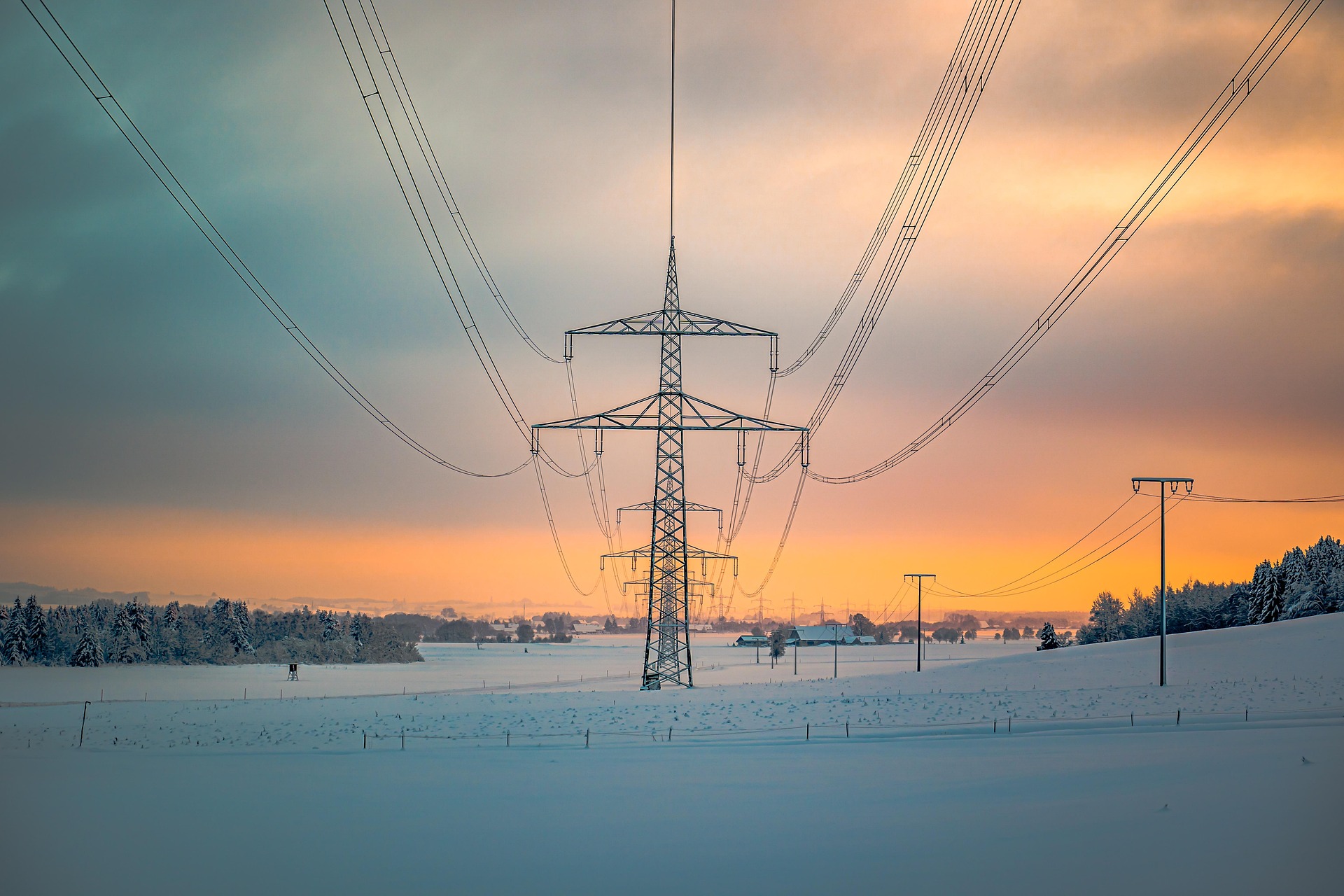
The dark doldrums
A dark doldrums refers to a period with Very low feed-in from renewable energies, especially from wind and solar energy. It occurs when there is little wind and little solar radiation at the same time, for example in long Winter high pressure. In such situations, electricity production from wind power and photovoltaic systems drops sharply.
Dark doldrums are a Physical normal case. They are nothing special. They have always existed. The greater the proportion of wind and solar energy, the more important it becomes to adapt the other system components. The aim is always the same: electricity supply and demand must match at all times. We have got through dark doldrums safely in the past, are doing so in the present and will continue to do so in the future. The necessary technologies, generation, storage and Fuels exist both in the present and in the future. This applies both nationally and even more so in the European electricity market with cross-border electricity supplies.
Residual load
Put simply, the residual load shows how much electricity is still missing when wind and sun are not enough. The residual load is therefore the Difference between current electricity consumption and feed-in from fluctuating renewable energies such as wind and photovoltaics. It thus shows how much capacity conventional power plants, storage facilities or imports need to provide in order to fully cover the demand for electricity. Also a Reduction of power consumption reduces the residual load. In normal situations with a high renewable feed-in (e.g. at midday on sunny days or during a storm), the residual load falls sharply and can even become negative. In times of low renewable feed-in, it increases accordingly and determines the demands on the rest of the energy system.
Residual load peaks
Of particular relevance in dark doldrums are the Residual load peaks. These occur when a low generation of wind and photovoltaic electricity meets high demand. During these hours, the flexibility of demand and the Electricity storage has a special role to play.
Dark doldrums can be very short and only last one or two days. In rare cases, they can also last one to two weeks. Even during long dark doldrums, residual load peaks only occur on an hourly basis and are dominated by storage and flexibility. The buffers fill up again before and after the peaks, even in the dark doldrums.
Maximum annual residual load
The annual maximum residual load is the Highest residual load of the year. These are a few hours in which a particularly large amount of capacity must be available to cover demand. This time can be during a dark doldrums, but it does not have to be. In normal situations Battery storage the annual maximum residual load Buffering in the future and thus significantly reduce it. There are also Reserve power plants, which are on standby. To date, the capacity reserve in Germany has been never activated.
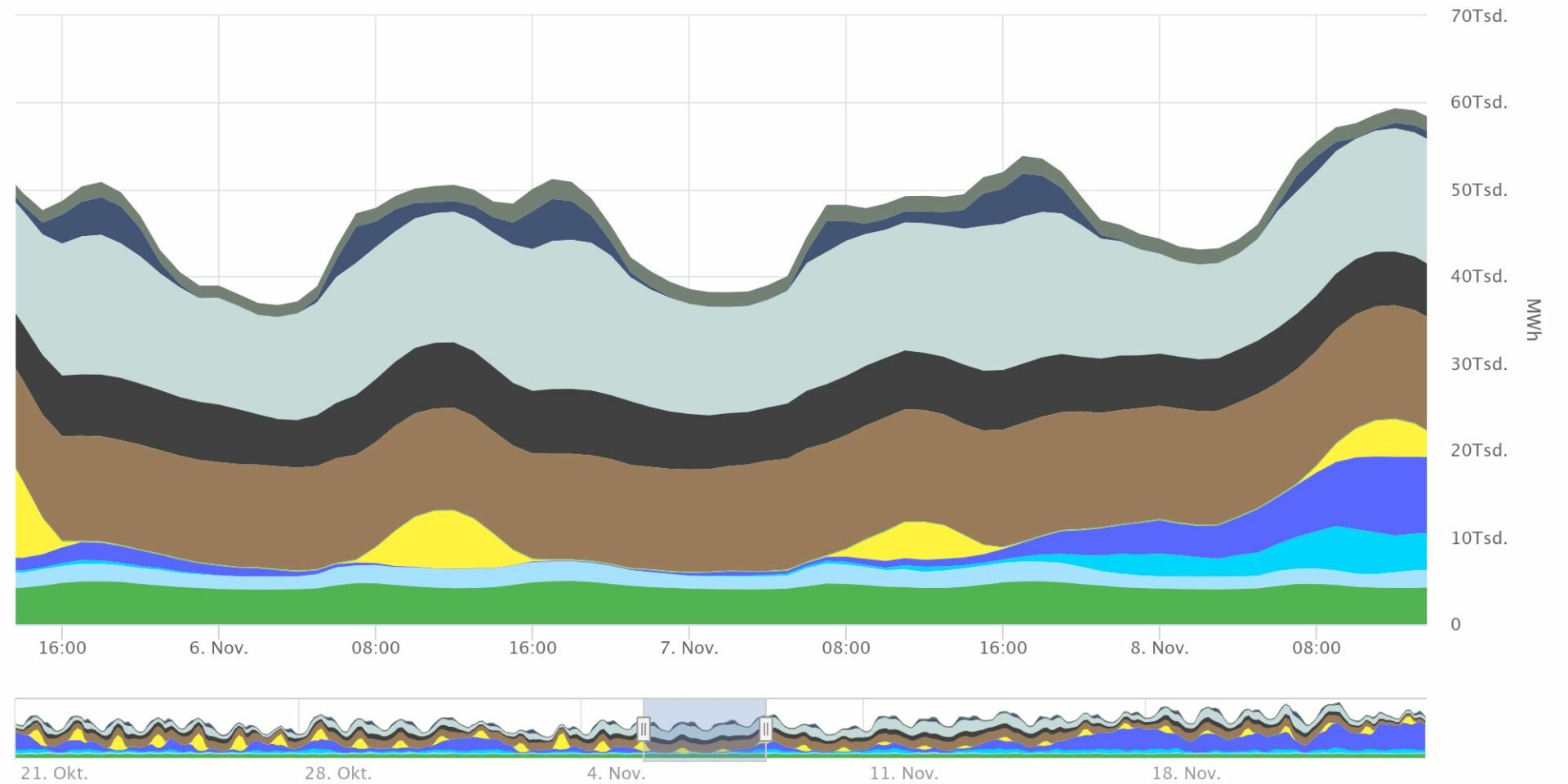
Overview: Dark lulls in the year 2024
In 2024, there were Two significant dark doldrums. Both occurred, as usual, in late autumn and winter respectively.
The first dark doldrums occurred from 5 to 7 November 2024 on. Even a few days earlier, the production of renewable electricity was limited. A persistent area of high pressure led to thick cloud cover and was accompanied by extremely little wind. Wind turbines and solar installations were only able to generate around Deliver 100 megawatts.
A second dark doldrums occurred on 11 and 12 December 2024. The prices rose to up to 936 Euro per megawatt hour in the last few years. This is due to the high capacity utilisation of expensive fossil fuel power plants. In both dark doldrums there were No power failures.
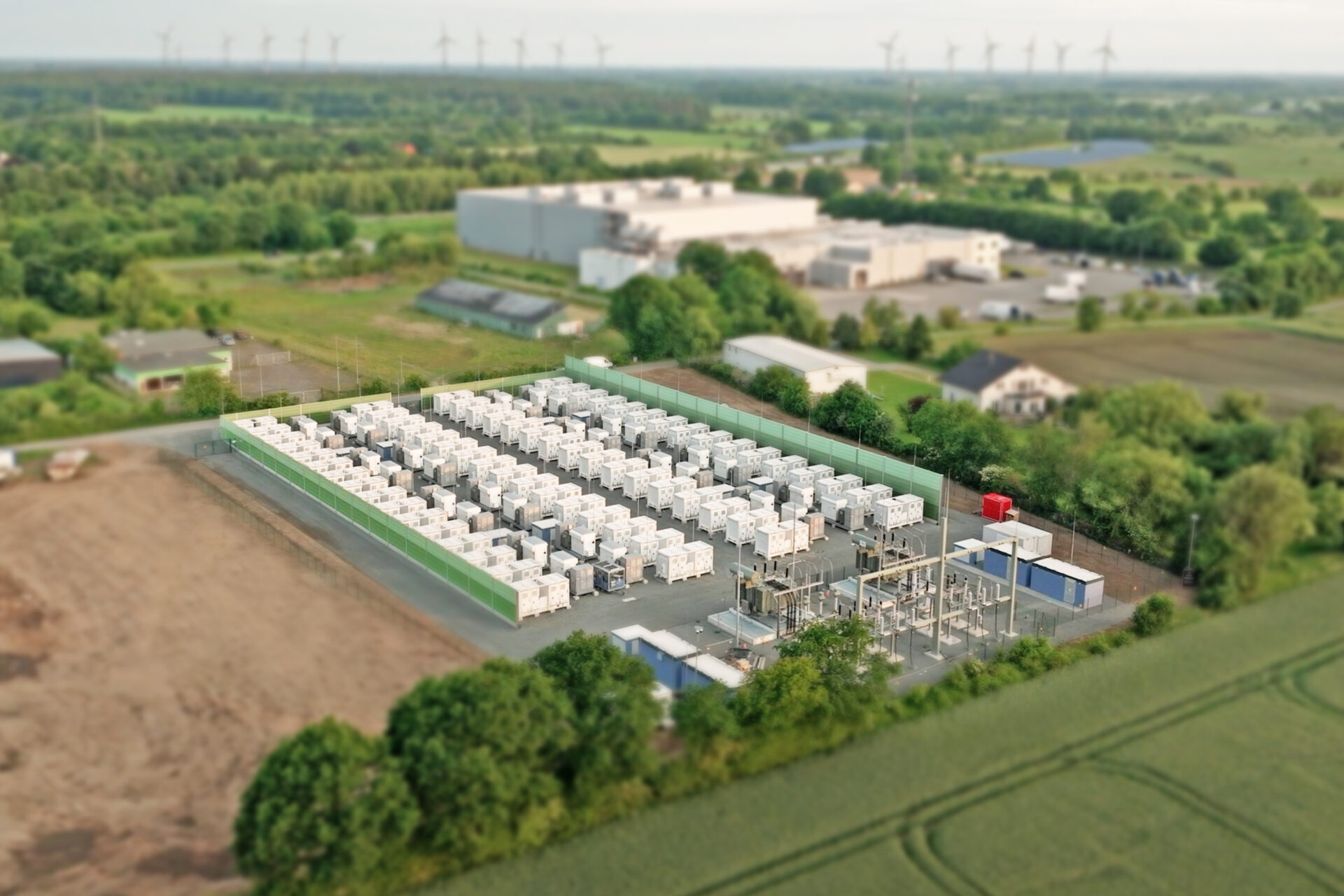
Dark doldrums can also be managed in the future with very high shares of renewable energies
Dark doldrums are often portrayed as a threat to the energy transition, but the reality is much more relaxed: In a system that is clearly geared towards renewable energies, phases of low wind and solar production are a matter of course. Even with a future energy mix of 80, 90 or 100 per cent from renewable sources, dark doldrums remain manageable. The necessary technologies are already available and are being continuously developed.
Modernity Battery storage, Flexible gas-fired power plants (with more and more green gases), intelligent Consumption control (demand response) and a European networked power supply reliably compensate for fluctuations in generation.
Data already shows that even longer lulls, such as the five-day dark doldrums in November 2024, can be overcome without supply problems because Memory, Nets and Flexible power plants work together stably. Every year, this interaction becomes more efficient, more favourable and cleaner. The result: a Secure, climate-friendly and robust energy supply, that works reliably even in challenging weather conditions.
Safely through the dark doldrums: the two-page guide
The fact paper "Dark doldrums" shows on two pages how dark doldrums can be overcome today, tomorrow and the day after tomorrow. Which fuels will we use? Which technologies will be used? How will battery storage help? How will biogas develop over the next few years? We have summarised the most important points on this website for you.